
Translation: 3 poems from Tagore’s LIPIKA
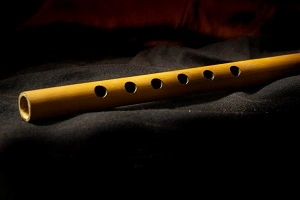
By Chaitali Sengupta The original prose poems by Rabindranath Tagore, Purono bari (The old house), Banshi (Theflute) and Prothom Shok (First sorrow) were collected in Lipika first published in 1922 (BE1329). It is a small book where Tagore introduced short poetic prose pieces. THE FLUTE The voice of the flute is an eternal one, a voice belonging to forever; just as the descent of theGanges, flowing out of the matted locks of Shiva, spilling upon the breast of earth. Like achild of heaven, she plunges down, wishing to frolic with the dust on earth, in her quest of theheavenly game. Standing on the wayside, I hear the flute’s strain; it fills my mind with feelings unknown. Itry hard to relate the ache that comes from the tune, with my mundane joys and sorrows, butin vain. I realize that it is more scintillating than any joys I’ve experienced; more intense thanany tears that I’ve shed. It makes me feel that the truth resides not in knowing, but it dwells in the unknown. How ismind able to think in this capricious manner? I’ve no answer to that. At dawn today, I woke up hearing the tune of the flute. There was a wedding in the nearbyhome. The melodious strain that emanates from the flute on the first day of marriage matchesin no way with the tunes of the days that follow. Can the flute, like a divine oracle, warn usabout the private frustration, the deep dejection, the neglect, the insult, and the sheer fatigue,about our restrained desires, our monstrous bickering, the unforgiving petty conflicts, thedusty miserliness of our daily life struggles? The veil of the familiar, regular words upon the mundane life is yanked away in one go withthe melodious strain of the flute. The bride and the groom exchange their first glance of lovein the blessed moment, and unite forever under the delicate canopy, as the groom lifts the redveil of his demure bride. And the flute, through its tuneful melody, sings of this exaltedmoment. When the flute plays along the songs of exchanging the garland of love, I look towards thebride, being wed in our neighboring home. Wearing a golden necklace around her neck, apair of anklets on her feet, she stands on a lotus of joy that grew in the lake of tears. As I look through the melody of the flute, she appears ethereal to me. The girl, who was oncea familiar face from the known household, now manifests as the bride of an unknown family.The flute says, “This is the truth.” Read other two translations here: https://museindia.com/Home/ViewContentData?arttype=poems&issid=105&menuid=10317