Author name: Chaitali Sengupta

Review

Book Review: Across the luminous realms & other stories

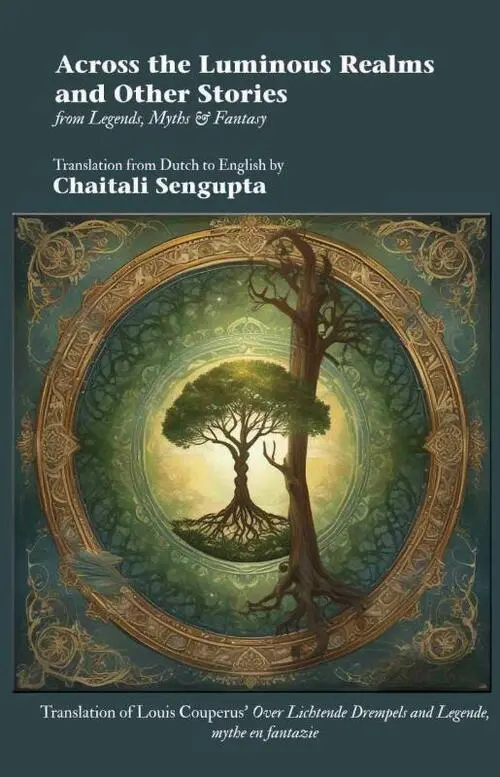
Weaving History, Symbolism , and Fantastical Narratives By Aparna Singh Across the Luminous Realms and Other Stories, from Legends Myths and Fantasy is a translation from Louis Couperus’s Dutch Over Lichtende Drempelsand Legende, mythe en fantazie, into English by Chaitali Sengupta. Sengupta picks a novella and four fairy tales (Couperus wrote as a gift for his wife) to introduce the book to a new readership. Couperus’s Legende, mythe enfantazie (1918) is a collection of seven short stories blending history, myth, legends, and fantasy, drawing from various cultures and historical eras. These stories share common themes of ancient wisdom, spiritual seeking, and his theosophical belief in the oneness of the soul. They weave historical contexts with rich symbolism and imaginative narrative, blending fantastical tales from various cultures and historical eras. Read the full review here: https://museindia.com/Home/ViewContentData?arttype=book%20review(s)&issid=122&menuid=11732

Blog, Review

Book review: The Crossings speaks of survival & morality

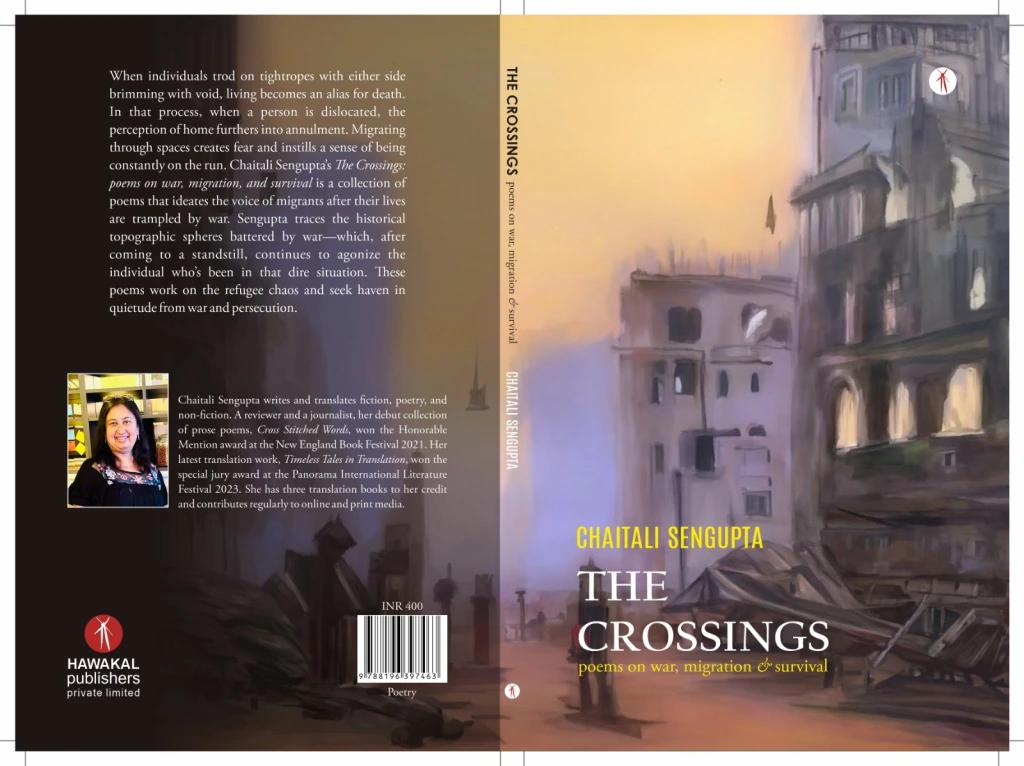
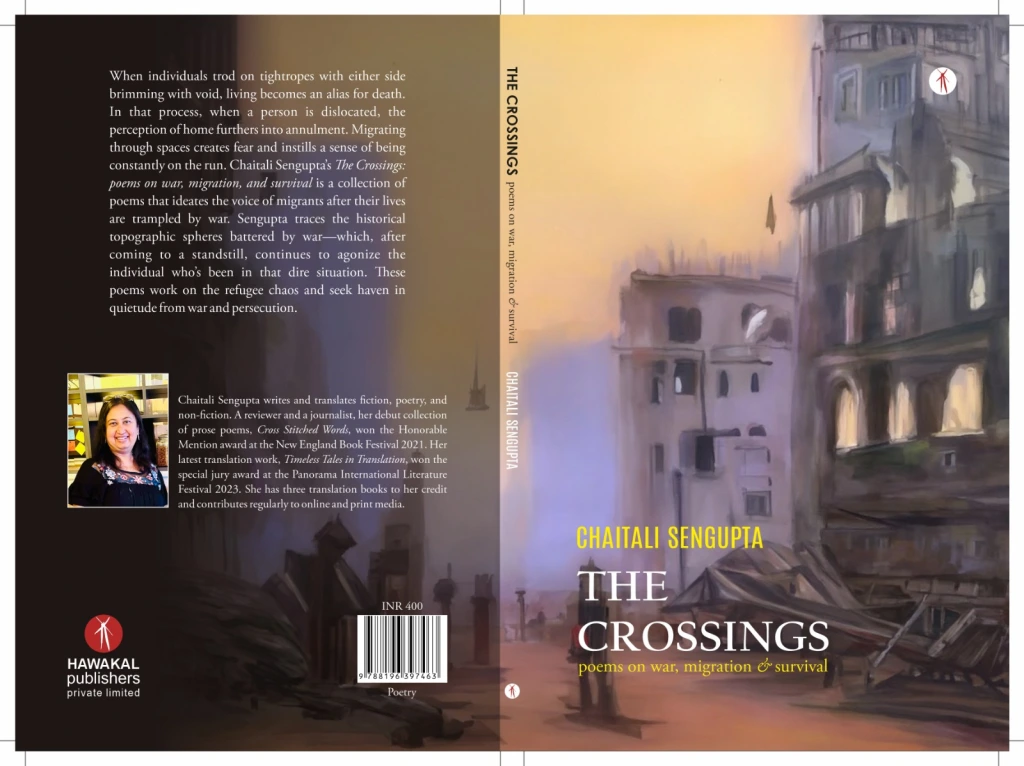
By Navamalati Neog Chakravarti The Crossings are a collection of Chaitali Sengupta’s deeply sensitive poems. The fifty poems sorted into three groups dwell beautifully on the reality of war and the problems that come up after wars end. Wars are not the thought of magical talisman that ends problems. They are the beginning with no end. This is the writer, translator, reviewer, and journalist Sengupta’s second poetry collection. With wars abounding in our twenty-first-century world, and men grossly bent on killing each other, one is reminded of Oscar Wilde’s saying, “To live is the rarest thing in the world.” Indeed, we have not moved away from our blood-soaked earth, where the bewildering battle of Kurukshetra was fought. Read the full review at: Different Truths  

Blog, Review

Book review: The Crossings

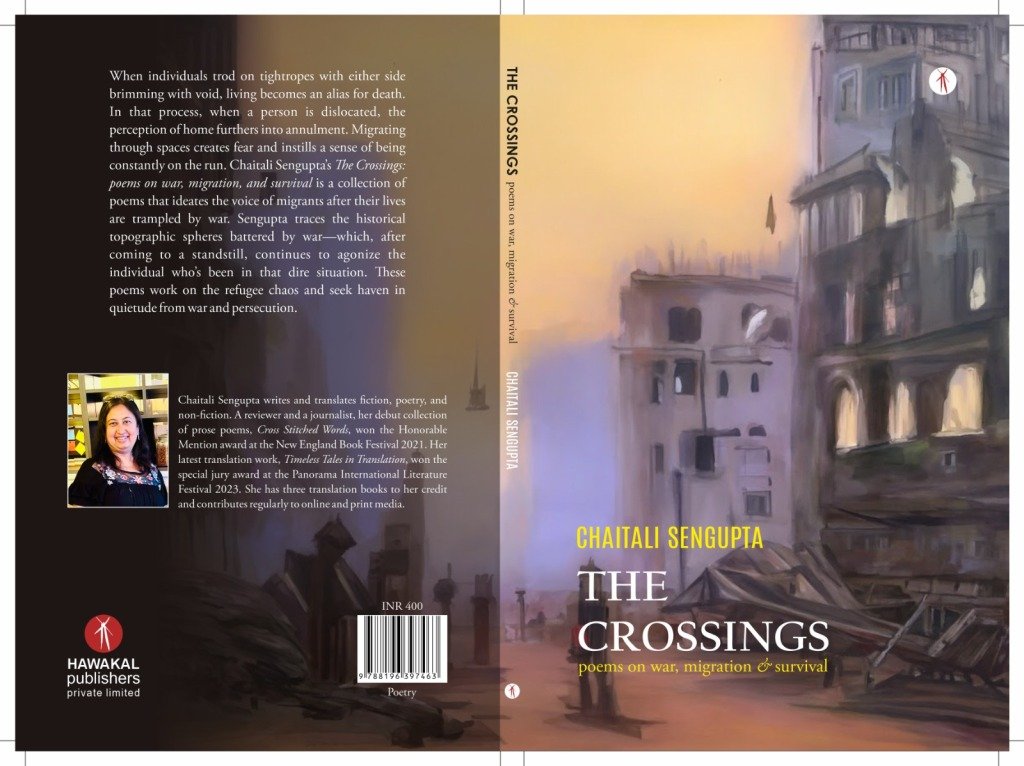
Poems that map the complex historical, mythical, and ideological trajectory of power and powerlessness A review by Aparna Singh in the literary journal MUSE INDIA Chaitali Sengupta writes and translates fiction, poetry, and non-fiction. The Crossings, her second poetry collection, envisions a world around war, migration and survival—the three sections into which these poems are neatly divided. Bashabi Fraser, in her insightful foreword to the collection, writes, “The impact of conflicts on individual lives is powerfully captured in poem after poem […]” Sengupta’s stark bristling anger strikes us at the very onset, “And then, one day they left. Castrating our future with sterilized guns”. Judith Butler in a recent article on violence and the condemnation of violence, says “The matters most in need of public discussion are those that are difficult to discuss within the frameworks available to us.” The trauma of war and displacement far supersedes the existing linguistic templates. The Crossings reflects Sengupta’s deep awareness and negotiation of this very lack. It also creates a much-needed space—an intergenerational one—shared and collective, for such experiences to be articulated.  Read the full review at: The Muse India

Blog, Review

Book review: Divisions and Displacement- Chaitali Sengupta’s The Crossings

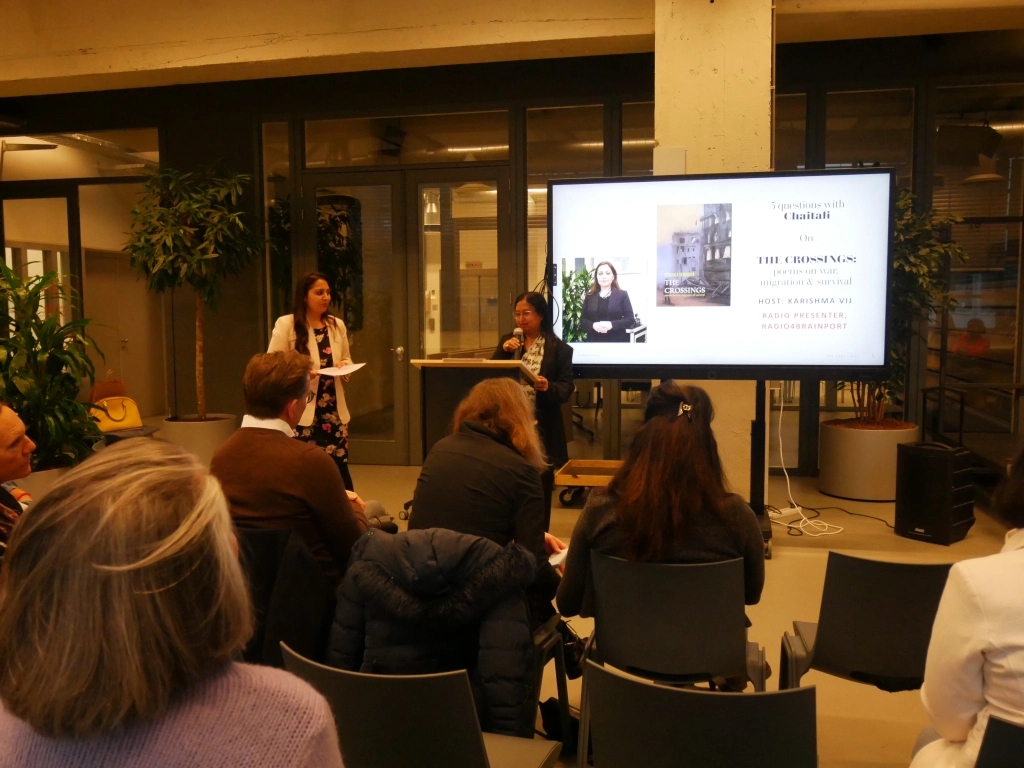
Winner of Runners-Up award at the London Book Festival 2024 Reviewed by Anjana Basu Chaitali Sengupta’s The Crossings covers therelated worlds of war. Migration andsurvival – the sections into which the poemsare divided. These are world that shetraverses through her imagination andexperience some of them experiencedthrough the memories of relatives duringthe Partition, others from the stories of warand the constant interaction in the papersthat highlights the problems of those whowander from space to space with nowhereto turn.War and migration have gradually becomedeepening concerns for the world – Russia’sattack on Ukraine launched the firstEuropean war in decades, a conflict that stillpersists with the addition now of Gaza andIran’s entry. In a world strung taut, the poetexpresses her concerns through vividmetaphors. Not that all the wars describedare modern – with Partition as a backdrop itwould not be. She writes about the JaggedLine that divided her family and the nation:“The strong white fingers pencilled a jaggedline on our map. The Radcliffe line. Read the whole review at: The Confluence magazine, UK https://confluence.org.uk/wp-content/uploads/2024/07/May-June-2024-issue-.pdf Book Event at the Eindhoven Library-The Crossings.  

Blog, Review

Book review: The Crossings, by Chaitali Sengupta

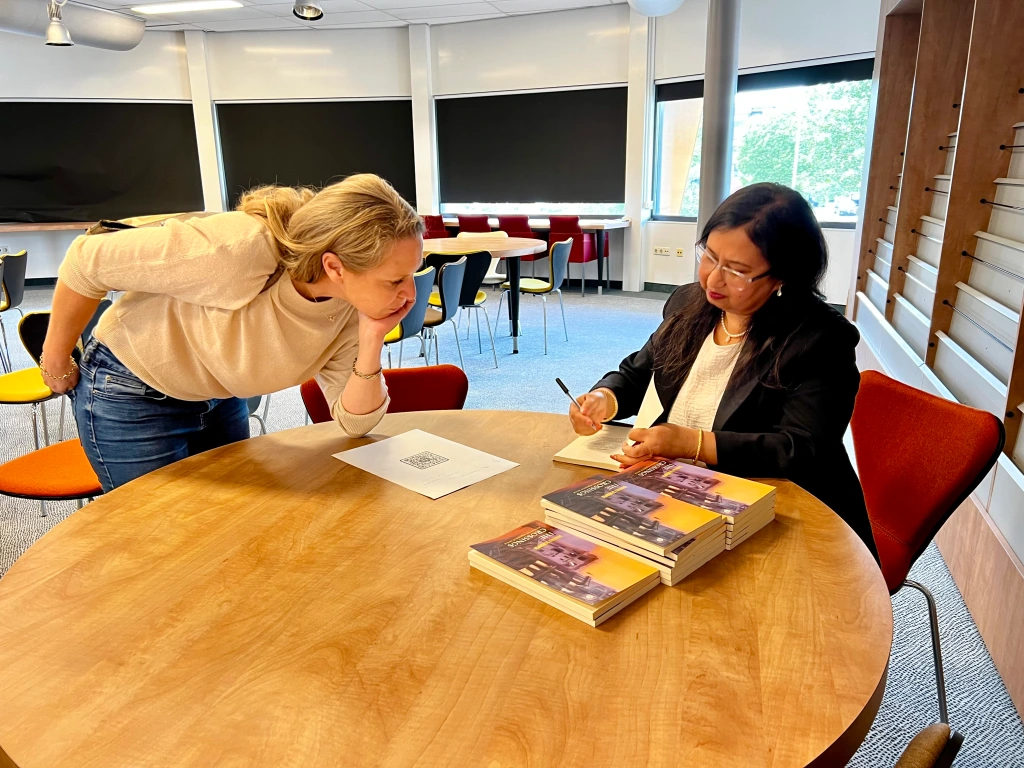
A review by Shyamasri Maji in the World Literature Today Chaitali Sengupta’s The Crossings focuses largely on the pity that war entails. It presents war as having an intersectional trajectory of destruction, displacement, and dispossession. Sengupta, an Indian journalist, translator, and poet currently living in the Netherlands, examines this conflicted space in three sections, each taking a closer look into the collective consciousness of war victims and their progeny. Her diasporic experience familiarizes her with war-torn topographies beyond South Asia. She suggests that the continent of Europe, as it stands today, “is largely the outcome of two great wars,” stating that, “visiting the monuments of two world wars spread throughout Europe leaves you with no doubt as to how all-encompassing those wars were.”  Read the full review at: https://www.worldliteraturetoday.org/2024/july/crossings-poems-war-migration-and-survival-chaitali-sengupta https://muse.jhu.edu/pub/431/article/931114/pdf Book signing at Book Presentation The Crossings, 15th June, 2024.

Blog, Review

Book review: The Crossings, poems on war, migration & survival

The Crossings by Chaitali Sengupta: A Powerful Exploration of Migration and Identity Reviewed by Rebecca Rijsdijk, Editor in chief, Founder Poetry Press In a world plagued by conflicts and displacement, the poetry collection “The Crossings ” by Chaitali Sengupta offers a poignant and thought-provoking exploration of the experiences of migrants forced to leave their homelands in search of safety and security. Through a seamless blend of history, mythology, and present-day realities, Sengupta delves into the profound impact of conflicts on individual lives, highlighting the struggles, resilience, and search for identity that define the migrant experience. “The Crossings ” is a collection of poems that skilfully weaves together the mythical, historical, and contemporary aspects of migration. Sengupta effortlessly moves between references to ancient battles and recent events, reminding readers that the repercussions of conflicts on people’s lives are timeless and universal. The poems serve as a clarion call against war, emphasizing the devastating consequences of violence and the urgent need for peace. To read more, visit: https://www.sundaymorningsattheriver.com/blog/the-crossings-by-chaitali-sengupta-a-powerful-exploration-of-migration-and-identity The book is available on Amazon Worldwide.

Poems

1971, Noakhali

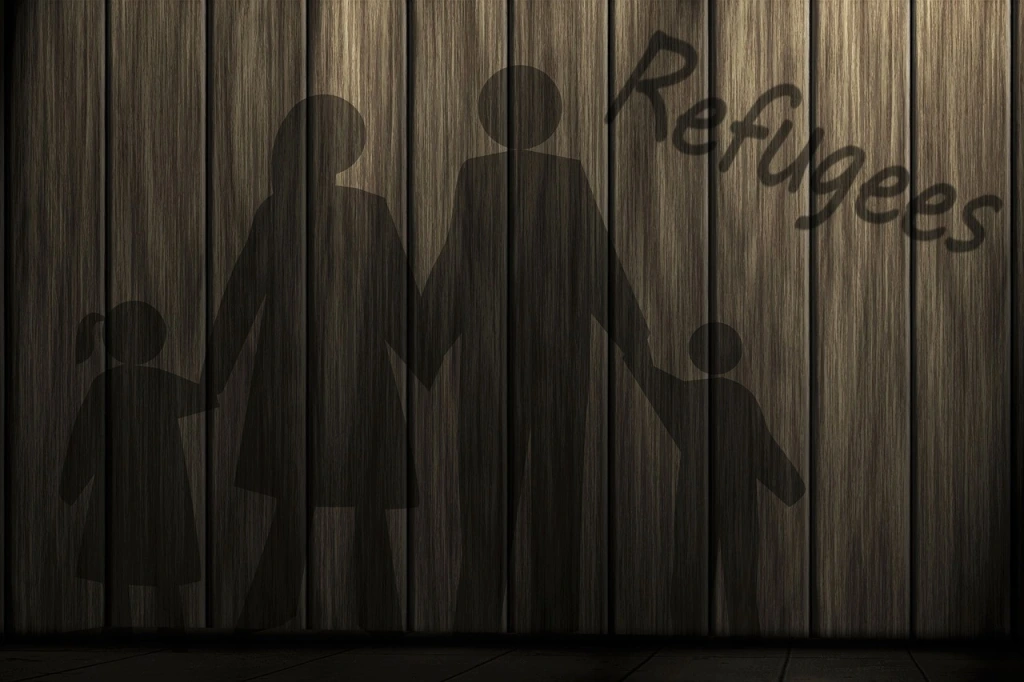
1971, Noakhali  Noakhali is a landmine in her memory that only reels backward. Sits like a land   spreading its river of sorrow. A land thrice  partitioned. Each time she shuts her eyes,    a time bomb explodes in the scratch pad of  her brain. What happened to Zoya, my daughter?    Who knows where she went? Who knows  where she sleeps? And her brother?   What have you done to them? Who’ll bring my  message to them? In the naked sunlight of a    Kolkata camp, she sits, sticking to the lamppost,  like a flapping poster. Raped, like her land.    Nameless, counting the scars of hell. The stories she saved from 1971, knotted in the end of her sari, squeezed   into the tiniest of knots. Lest she may forget.  Stories of people gone missing. Like the lace    torn off the hem of her petticoat. Their white  gasps before death, countless times she    remembers the names. And the frequent deaths.  Like the abandoned pages of history, long archived.    Her abused flesh knows no hope to escape.  It sits like a torn kite, forever exiled on the tramlines.    This poem forms a part of my forthcoming poetry collection based on the theme of War, migration, survival and hope. It depicts the plight of the women refugees who are most of the time caught up in the gender-based violence as they flee their land. Photo Credit: Pixabay

Uncategorized

Book excerpt: ‘In the memory of my father’ by Rathindranath Tagore

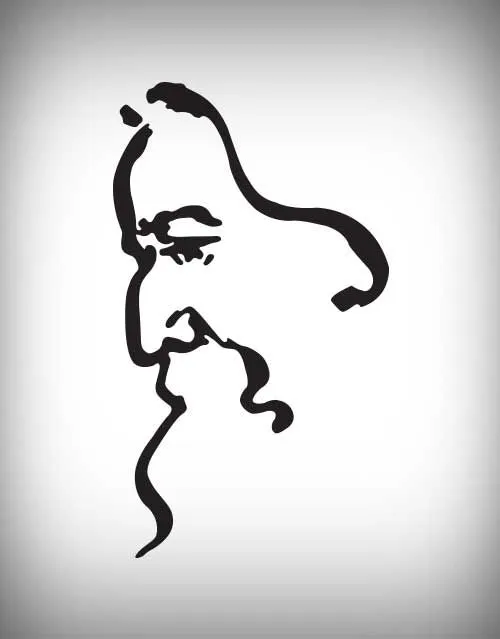
  Rathindranath Tagore’s Bengali biography of Rabindranath Tagore is a empathic and nuanced portrait of his father, creating a portrait of his life and fortune–an excerpt from Chaitali’s translation-an exclusive Special Feature on Tagore’s birth anniversary. An excerpt from the memoir ‘Pitrismriti‘: Baba named our houseboat Padma. The name reflected the love he had for the river Padma. The boat was closely associated with Shilaidaha, located at the estuary of Padma and Gorai rivers. Although it was my father’s favorite boat, our family too have close association with the Padma boat. So, many things will remain incomplete if I don’t talk about it.              The boat carried a history of its own. Most likely it was built in Dhaka as commissioned by my great grandfather Dwarakanath Tagore. Its structure was similar to that of a barrow, although a bit larger. The rooms were very spacious and as comfortable as the rooms in our home. At first, the boat remained moored on the banks of the Ganges in Calcutta. Maharshi Debendranath, my grandfather, travelled in this houseboat. As mentioned in his autobiography, it was with this boat he left for Varanasi in 1846. When the news of his father’s death in London reached him, he was on his way to Varanasi. Hearing the news, he turned the boat around and came to Calcutta. When the Maharshi did not use the boat any longer, it was kept at Shilaidaha.             Before the railways, boats were the standard means of travel, especially in Bengal, where there are no dearth of rivers and canals. Landlords and well-off businessmen kept many types of boats. They used to have bajrah, the pleasure-boats for their own use. These boats were rather wide in structure and flat bottomed. This enabled the boats to break water and move forward, even in the shallow rivers. Usually, the bajrahs consisted of two rooms fitted with all the amenities. It was customary to get them made by the craftsmen in Dhaka, they’re masters in this profession! Once the steam engines came, the use of waterways decreased, and the utility of boats also disappeared. Bajrahs are rarely seen on the rivers these days!  Read the full excerpt on Different Truths– Social Journalism platform

Poems

Poem: Bereaved words, discarded metaphors

By Chaitali Sengupta Sometimes, a few drops of ink,  create words, falling in a soothing rhythm, the ups and the downs, in a beautiful dance, of resisting and giving in, of grasping and releasing, of dissolving and merging, of holding each thought like the newborn drop of rain. And, sometimes,  the thoughts are like open wounds, no, they have no words. Only letters, on their way to self-destruction… Just like a heap of promises, never kept. Read it on the pages of Setu

Review, Translation

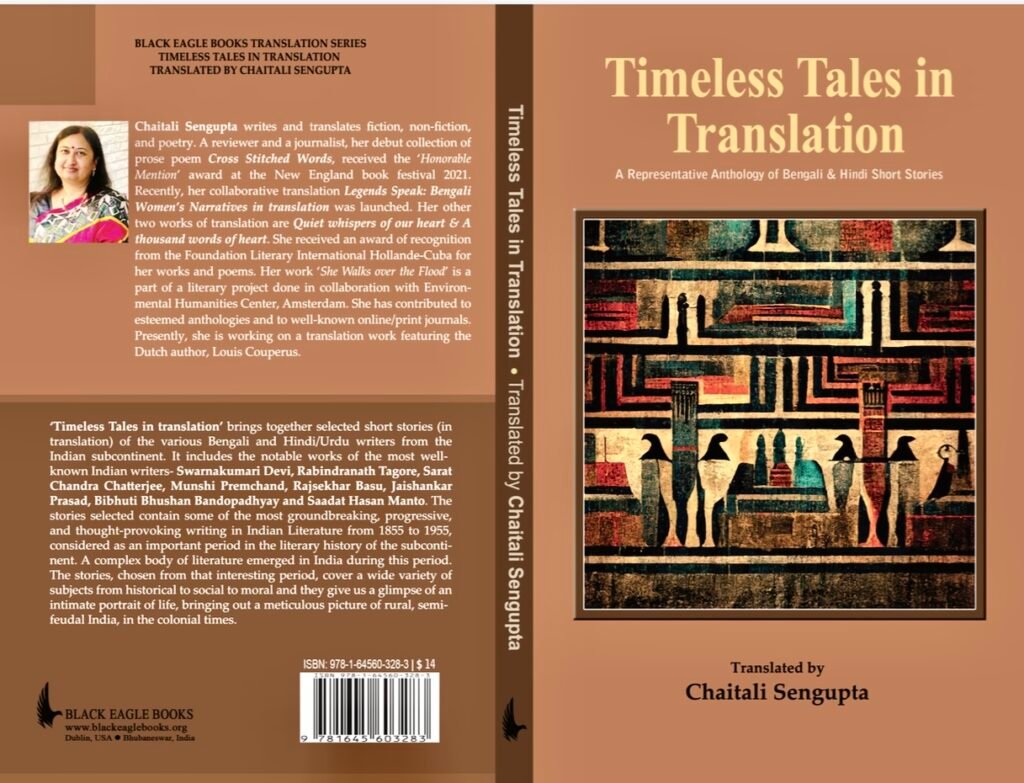
Review: Timeless Tales in Translation

By Lopamudra Banerjee “Translation is not a matter of words only: it is a matter of making intelligible a whole culture.” – Anthony Burgess While embarking on a journey of both reading and internalizing classic texts in translation, which attempts to bridge the gap between languages, cultures, continents, I have been always intrigued to know the literary or metaphorical truths that an author intends to depict in his literary work. Can a translator really transcribe those truths while translating the aforesaid work from the source language has been a quest for me as a reader always. Also, while translating Indian literature into English, is it possible to recreate the particulars of the eastern/oriental culture and environment and portray those nuances in English?  As I started flipping through the pages of ‘Timeless Tales of Translation: A Representative Anthology of Bengali and Hindi Short Stories’ penned by prolific poet, author, translator Chaitali Sengupta from Netherlands, these questions kept brimming in my inquisitive mind. All the stories translated in the collection have been penned during the very critical chronological time-frame of the colonial regime (from the mid-nineteenth century till the mid 1950’s) of India. In the foreword to this meticulously presented collection of translated classic tales, quite aptly named ‘Timeless Tales in Translation’, Dr. Sanjukta Dasgupta, author, poet and renowned scholar points out very significantly: “All the stories selected foreground certain timeless, universal emotions, feelings, sentiments, love…empathy and transcendence…Despite the problems that are embedded within translation practices, it is translation as cultural transfer that sensitizes the world about cultural diversity.”   Read the full review at this link: https://www.setumag.com/2023/04/timeless-tales-in-translation-by.html

Built with creativity and care by DigitalSpan
Scroll to Top